You Can See Everything: The Film That Asks How Well We Really See Each Other
Nathan Fielder and Lance Oppenheim's acclaimed Elizabeth Holmes documentary is in UK cinemas. Beyond the headlines, it's a fascinating study of perception, trust and how we see other people.
By Theo Lark · 27 November 2026
As reported by Wikipedia, A24 and Rotten Tomatoes.
Every so often a film comes along that people can't stop talking about on the way out of the cinema. This winter it's You Can See Everything, a documentary by Nathan Fielder and Lance Oppenheim about Elizabeth Holmes, the founder of the collapsed blood-testing company Theranos. It reached UK and Irish cinemas on 20 November, and you can now buy it to watch at home too.
On paper it sounds like a true-crime story. In the cinema it turns out to be something stranger and, for a magazine like ours, more interesting: a nearly three-hour study of what it means to see another person.
The story so far
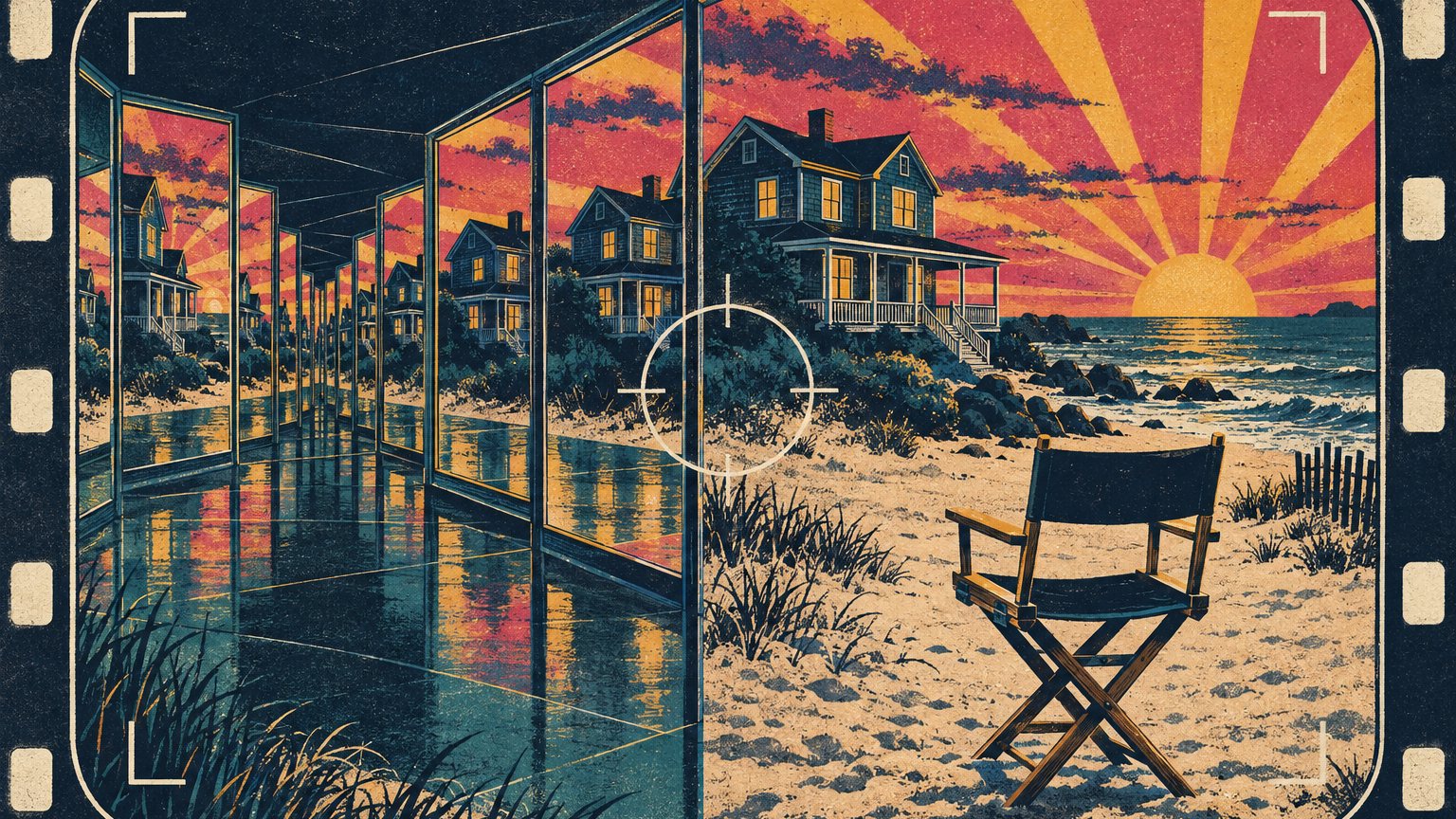
In April 2023, 34 days before Holmes began an 11-year prison sentence for defrauding investors, she and her partner Billy Evans invited a film crew into their rented beach house in Del Mar, California. They were given remarkable access. Yet Fielder, the comedian behind Nathan for You and The Rehearsal, kept feeling that he wasn't being told the whole story.
Filming went on for around three years. When some of the most important moments couldn't be filmed, the directors brought in Amanda Seyfried, who won an Emmy playing Holmes in the TV drama The Dropout, to play her again in re-enactments, with Christopher Abbott as Evans. So on screen you watch the real woman, the actress who once played her, and that actress playing her again, all in the same film.
Why everyone is talking about it
The reviews have been astonishing. At the time of writing, 97% of critics on Rotten Tomatoes rate it positively, and the film has taken more than $100 million worldwide, which is almost unheard of for a documentary. The Guardian's Adrian Horton called it "a stupefying and gloriously destabilizing hall of psychological mirrors", and Richard Brody of The New Yorker described it as "strangely, poetically, poignantly beautiful".
It isn't a universal love-in. In Time, Stephanie Zacharek found its knowing tone a little smug in places, though she still called the second half "uncomfortably alluring". Billy Evans has said the film "really differs from the reality that I experienced".
What it asks of us
Here at Wonderfulness we're less interested in the verdict on Holmes, which the courts have already given, than in the question the film keeps quietly asking: how do we decide what is really going on inside someone else?
A few things stayed with us after the credits:
- We see what we expect to see. Fielder arrives as a sceptic. Over three years his certainty wobbles, and the film is honest about that. It's a useful reminder that our first story about a person is only ever a draft.
- Stories take on a life of their own. Holmes watches part of The Dropout and asks to stop. Whatever you think of her, it's a striking moment about how it feels to be turned into a character.
- Warmth and doubt can sit together. Near the end there's a tearful family visit in prison that even Fielder reads as real affection. You can feel compassion for someone and still not trust them, and the film lets both be true.
Watching it mindfully
At 174 minutes it's a commitment, and parts are uncomfortable. If you go, try going with a friend, leave time afterwards for a walk and a proper talk, and notice when your opinion of someone shifts and why. That small act of noticing may be the most valuable thing you take home.
Where to watch
You Can See Everything is in UK and Irish cinemas from 20 November 2026 and has been available to buy digitally on Amazon Prime Video and iTunes since 24 November. Distributed by A24.